What Else Could Disney Do With the Worlds It Already Owns?
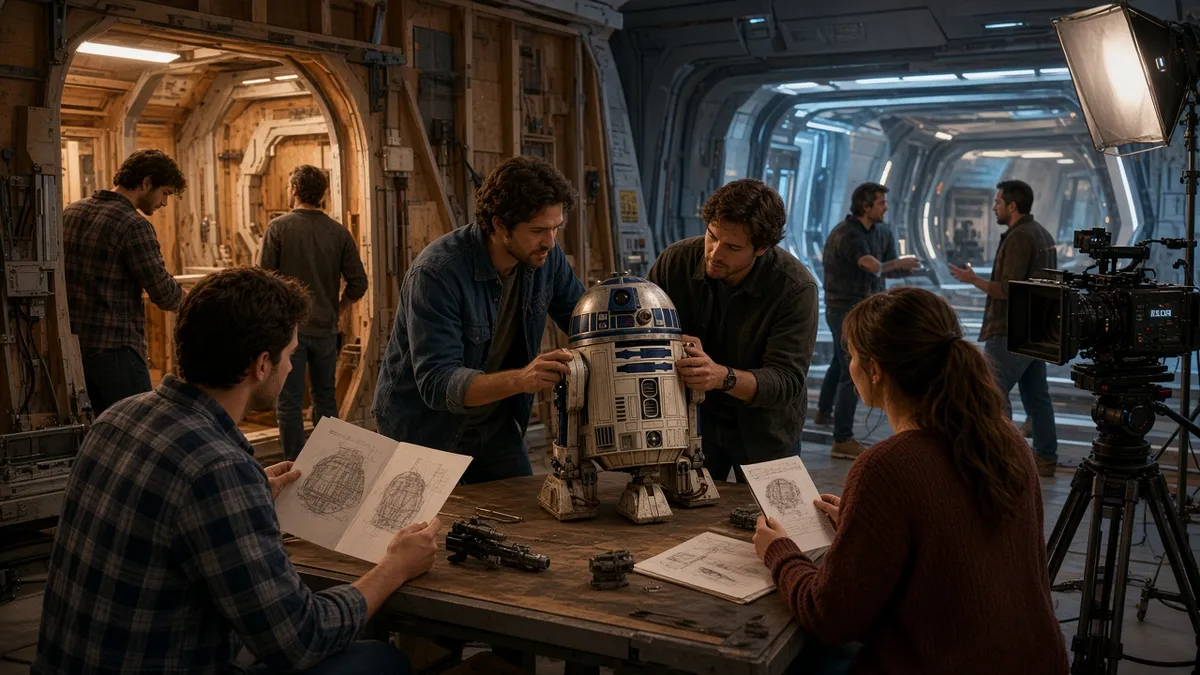
Disney is reportedly considering thousands of additional job cuts, with some managers asked to find savings of up to 20%. There may be unnecessary work to remove. But cutting jobs does not answer a more important question. How could Disney give audiences something they want using the worlds, talent and relationships it already has?
Disney has characters people grew up with, skilled filmmakers and audiences who care deeply about its stories. Yet a recognizable name does not guarantee that people want the next installment. Disney’s latest results describe Toy Story 5 succeeding while other franchise films missed expectations. Familiar worlds still have something to offer. Another appearance by familiar characters is not enough on its own.
If any studio has the ability to dig deep and come out with winners it is Disney. Star Wars contains more possibilities than almost any fictional world. There are already hundreds of fiction books, including stories for younger readers. What could Lucasfilm learn from the stories readers return to and the characters they care about? Which could stand on their own for viewers who have never opened a Star Wars book?
Rogue One began with a Star Wars fan imagining a story inside a world he loved. John Knoll worked in visual effects, rather than coming through the usual screenwriting path. He imagined the people who stole the Death Star plans and took the idea to Lucasfilm. Being an insider gave him a way to be heard. What could Lucasfilm learn from that about finding stories beyond the people normally asked to write them?
Robert Rodriguez’s Brass Knuckle Films invited its investors to contribute ideas, not just money. This was a great opportunity to expand who can invest in the process and participate in an industry that can be hard to break into. Disney already has people who care deeply about its worlds. What could it learn by giving those fans a way to contribute stories? How would it recognize a promising idea and give it the people and honest feedback needed to develop it? Lucasfilm does not need its fans’ money to develop IP. It could benefit from their imagination.
Andor, Obi Wan Kenobi and The Book of Boba Fett show that television offers room beyond theatrical films. But a series can still require a major production commitment. How much does Lucasfilm need to build and spend to find out whether a story works? Could complete, separate stories offer room for smaller experiments? What could a reading or rough scene reveal before the team makes a finished episode?
Rodriguez’s work offers another reason to ask what is possible. Sin City was shot almost entirely against green screens, with extensive visual effects creating its world. Sets built for Alita: Battle Angel were later used again for Hypnotic. These are different ways of approaching a production, but both raise questions about what a new story actually requires and what can serve more than one film.
What sets, props, digital environments and production tools does Lucasfilm already have available? What could be reused or adapted? Could those resources give creators room to test stories without building a new production around every idea? I do not have the answers, but I am not convinced Disney is asking the right questions.
The working environment matters as much as the resources. If an attempt that does not work is treated like an offense requiring someone to blame, people have reasons to protect themselves. They may choose familiar answers, keep problems to themselves or wait for someone more senior to speak first. Asking for fresh ideas accomplishes little if people learn that trying something different puts their reputation at risk.
That is different from treating a failed attempt as a problem to understand and fix. Perhaps a character’s choice does not make sense, or the audience cannot understand what is at stake. A scene everyone liked may not belong in the story. A team can work on those problems when raising them brings help rather than punishment.
Robert Rodriguez and his team strike me as people who would rather identify what is not working and fix it than find someone to blame. That is another part of their approach Disney could learn from, beyond inviting story ideas.
Pixar’s continuing use of its Braintrust offers an example from within Disney. Fellow storytellers challenge unfinished work, while filmmakers remain responsible for the solution. It is the honest conversation and the opportunity to change what is not working.
“Fix the problem, not the blame” requires something from leadership too. Can someone challenge an idea the boss supports? Will the team get time to address what a review uncovers? Who takes responsibility for the next version, and how will they know whether it works better?
Those choices need to support each other. Inviting more ideas requires time to consider them. Experimenting requires room for attempts that do not work and a long-term commitment to the new approach. Honest reviews require leaders willing to hear uncomfortable answers and act on them.
A coherent strategy would connect what audiences want with how stories are found, developed and improved. Disney already has stories, talent, tools and people who care about its worlds. Cutting jobs changes how many people are there. Changing how those people can work together could change what Disney is able to create.
Originally published on LinkedIn.